Everything You Should Know About Obamacare and the Affordable Care Act


Hello, let’s talk about something that can make your head spin: health insurance. We know, it’s one of those topics that sounds complicated from the get-go, right? And then you hear words like “Obamacare” and “Affordable Care Act (ACA)” tossed around, and suddenly, it feels like you need a degree to understand what’s going on. Trust us, you’re not the only one who’s confused, we’ve all been there! But guess what? We can guide you through it.
Here’s the thing: The Affordable Care Act (aka Obamacare) is here to help people just like you get the health insurance you need, without the stress and high costs. It’s been making a huge difference since 2010, bringing in more coverage, better access to care, and important protections for families across the country.
Ready to understand how it all works and why it’s such a big deal? Let’s dive in, and we promise it won’t be as scary as it sounds. You’re in good hands! Welcome.

What is the Affordable Care Act (ACA)?
As we mentioned before, the Affordable Care Act (ACA) (often referred to as Obamacare) is a health reform legislation that aimed to address critical issues in the U.S. healthcare system. Before the ACA, millions of Americans struggled to obtain affordable health insurance. High costs, discrimination due to pre-existing conditions, and limited coverage were just a few of the many challenges people faced when it came to securing health coverage.
The ACA introduced several key reforms, which include:
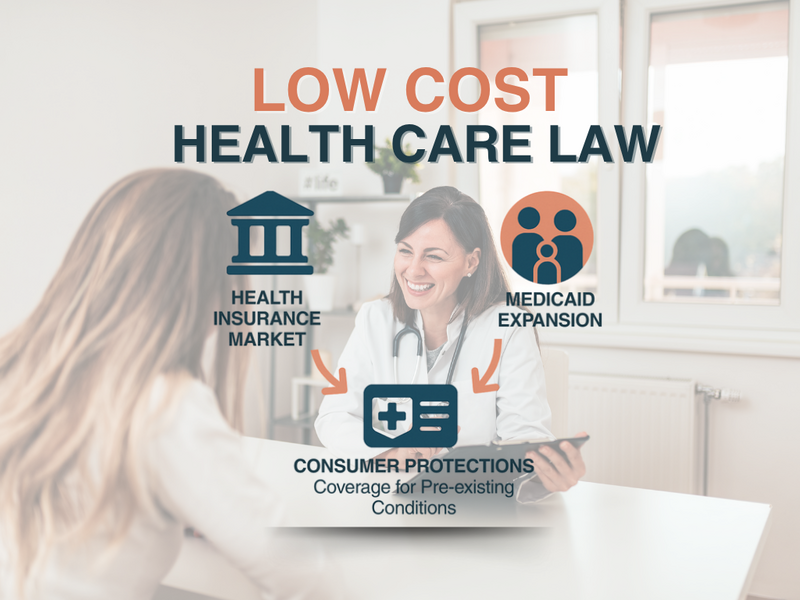
- Expansion of Medicaid to cover more low-income individuals
- Creation of the Health Insurance Marketplace, a place for individuals and families to shop for health insurance plans
- New rules for insurers, including protections for people with pre-existing conditions, and essential benefits that all insurance plans must cover
By improving the way health insurance works, the ACA has helped millions of people access the care they need without facing financial ruin.
So, Are Obamacare & ACA the Same?
Yes, “Obamacare” and the Affordable Care Act (ACA) refer to the same law. The nickname “Obamacare” was coined after President Obama, who was a champion for the law, signed it into existence. Over time, the nickname became widely used to refer to the entire ACA.

Key Benefits of Obamacare (ACA)
The ACA offers many benefits to individuals and families, some of which were previously unavailable. These changes not only improved health coverage but also helped reduce costs and provided essential protections for consumers. Let’s take a closer look at some of the most important benefits of the ACA:
1. Coverage for Pre-existing Conditions
Before the ACA, insurance companies could deny coverage or charge significantly higher premiums to individuals with pre-existing conditions (this included conditions such as diabetes, asthma, pregnancy, cancer, and even past mental health issues). This left millions of people without insurance coverage, or paying unaffordable premiums.
The ACA changed this by ensuring that insurance companies cannot deny coverage or charge more due to pre-existing health conditions. This protection is crucial for millions of Americans.
Imagine someone with asthma trying to buy health insurance before the ACA. They could have faced higher premiums or even been denied coverage altogether. Under the ACA, they can now purchase a health plan that fully covers their asthma treatment without paying higher premiums.
2. Essential Health Benefits
One of the core provisions of the ACA is that all ACA-compliant plans must cover a set of essential health benefits. These benefits are designed to ensure that every health plan provides adequate coverage, no matter which plan you choose. Essential health benefits include:
- Doctor visits
- Emergency care
- Maternity and newborn care
- Prescription drugs
- Preventive services (vaccines, screenings)
- Pediatric care (children’s health)
- Hospitalization
- Free anual preventive test
Before the ACA, some health plans excluded important services, like maternity care or mental health services. The ACA made it clear that these services must be included in all health plans.
Now, for example, a woman who is pregnant can be assured that her insurance plan will cover maternity care, prenatal visits, labor, and delivery, without her having to pay out-of-pocket for these essential services. This makes healthcare much more affordable for families.
3. Free Preventive Care
The ACA introduced the concept of free preventive care. This means that certain essential health services (such as annual physical exams, vaccinations, and other preventive treatments) are offered without co-pays, deductibles, or out-of-pocket costs. The goal is to encourage people to get preventive care early, which can help catch potential health problems before they become serious and costly to treat.
Let’s say you go in for an annual physical exam, which would have cost you a co-pay in the past. Under the ACA, this visit is covered 100%, meaning you don’t have to pay anything for it, making it easier for you to stay on top of your health and catch any issues early.
4. No Lifetime or Annual Coverage Limits
Under the ACA, insurance plans can no longer set lifetime or annual coverage limits for essential health benefits. This means that if you have an expensive medical condition, your health plan can’t stop paying for your care once you hit a certain financial limit.
So, if you are diagnosed with a chronic illness such as cancer, and you require years of treatment, your health insurance plan can’t cut off your benefits when you reach a certain amount of spending. Your plan will continue to cover all necessary treatments until you have received all the care you need.
5. Extended Dependent Coverage
The ACA allows young adults to stay on their parents’ health insurance plans until the age of 23, even if they are not financially dependent on them. This has been a crucial benefit for students and young professionals who may not have access to health coverage on their own.
If you are a college student or recent graduate, you can stay on your parents’ health plan until you turn 23. This helps prevent gaps in coverage as young adults transition from school to work and often face limited health insurance options. Isn’t this really important?
6. Affordability Through Subsidies
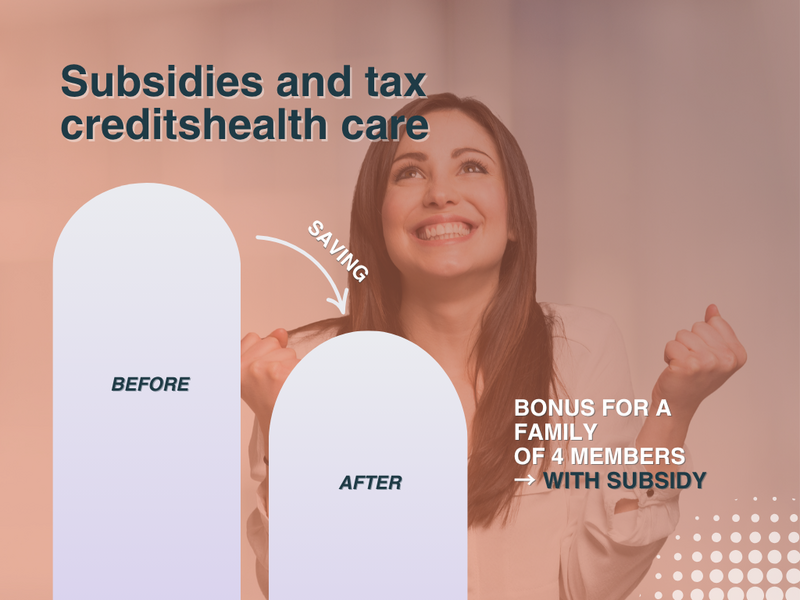
One of the most notable aspects of the ACA is its provision of financial assistance to lower- and middle-income families to make health insurance more affordable. The ACA offers premium subsidies that reduce monthly premiums for many enrollees, making health insurance much more affordable.
This could be tricky, so let’s break it with an example: A family of four with an income of $60,000 might qualify for subsidies that lower their monthly premium from $500 to $200, depending on their exact financial situation. This makes healthcare coverage far more affordable than it would be without the ACA.
Who Qualifies for ACA Health Plans?
The ACA is designed to make health insurance accessible to a wide range of individuals, provided they meet certain basic criteria.
At Insurella we understand the burden of going through these crucial processes alone. Our highly trained agents can help you with them.
1. Residence and Citizenship Status
To qualify for ACA coverage, individuals must be U.S. citizens, U.S. nationals, or lawfully present non-citizens (e.g., green card holders). Individuals who are undocumented are not eligible to enroll, but their eligible family members can still apply.
At insurella we have specialists in immigration consulting who can provide you with expert guidance. Our commitment is to support the diversity of families in our community. We are here to listen and guide you.
2. Incarceration Status
Individuals who are incarcerated cannot enroll in ACA plans while in jail or prison. Nevertheless, after integrating society you can qualify.
3. Eligibility for Other Coverage
If you have access to Medicare, Medicaid, or job-based insurance that meets the ACA’s standards, you may not qualify for an ACA Marketplace plan. However, if you lose other coverage, you may qualify for a Special Enrollment Period (SEP).

How Income and Family Size Affect Eligibility
Your household income and family size play a significant role in determining your eligibility for subsidies and the type of insurance plan you qualify for.
- Subsidy Eligibility (Tax Credits): Most subsidies apply to individuals with incomes between 100% to 400% of the federal poverty level (FPL). For example, in 2025, a single person with an income around $15,060 qualifies for full subsidies, while a family of four with an income of $60,000 is eligible for partial subsidies.
If you’re unsure about how much assistance you can get, feel free to contact us. Our agents can help you understand your eligibility and the next steps.
What is the Marketplace and How Do I Use It?
The Health Insurance Marketplace is a website where you can compare and buy health insurance plans. It helps you see if you qualify for subsidies to lower your premiums.
The best way to apply is seeking with in-person help from licensed agents or certified counselors. Once we’ve selected a plan, enrollment is quick, and we’ll manage your monthly premiums directly to the insurance company you choose.
We can do it for you. Contact our agents today to guide you through the application and help you pick the best plan for you.

How Do Tax Credits (Subsidies) Work?
The ACA tax credits (subsidies) reduce your monthly premium costs. These subsidies are based on your income and family size.
If you qualify for subsidies, the government will pay a portion of your monthly premium, and you will pay the rest. The amount you pay depends on your income and household size. For instance, if a health plan costs $500 per month and you qualify for a $400 subsidy, you’ll only pay $100.
At the end of the year, you’ll reconcile the subsidy you received with your actual income. If you earned less than expected, you could get a refund; if you earned more, you might need to pay back some of the subsidy.
Need help calculating your subsidy or understanding the tax credits? We are here to help.

Enrollment Periods and Deadlines
The ACA has specific enrollment periods to help people apply for coverage. Missing these deadlines could mean waiting until the next enrollment period to get coverage.
- Open Enrollment runs from November 1 to December 15 each year.
- Special Enrollment Periods (SEPs) are available if you experience a qualifying life event, such as losing job-based insurance.
For example, if you lose your job and the insurance it provides, you’ll have 60 days to apply for a new plan through the Marketplace.
Don’t miss your chance to enroll. Contact our team for help if you’re unsure about enrollment dates or qualifying events. We’ll ensure you don’t miss out on getting the coverage you need.

What Florida Residents Should Know
If you’re living in Florida, many of the ACA benefits apply to you, but there are a few Florida-specific details you should know about.
Florida Leads in Enrollment
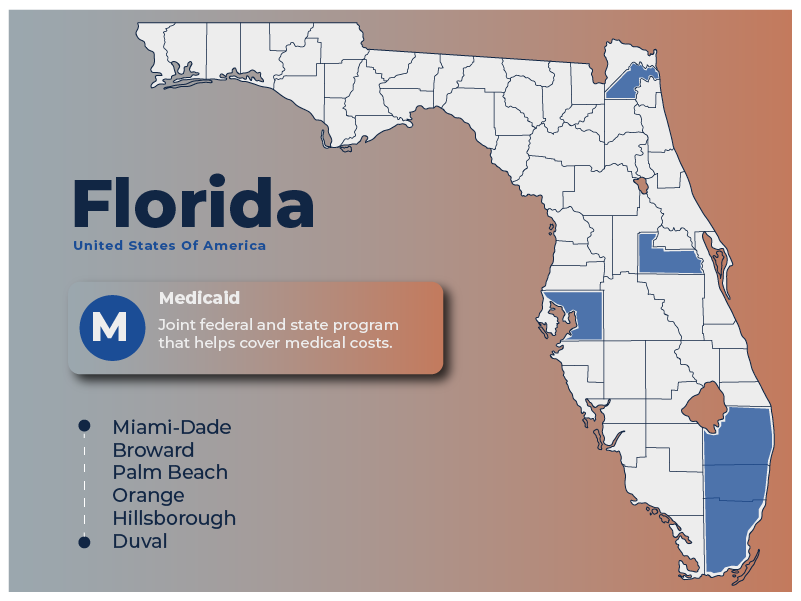
Florida has one of the highest enrollment rates in the nation for ACA plans. Over 4.6 million Floridians signed up for coverage through the Marketplace in 2024. This shows how much demand there is for affordable health insurance plans in the state.
Marketplace Is Federal
In Florida, the Health Insurance Marketplace is managed through the federal website (HealthCare.gov). Be cautious of unofficial websites that may look similar to the Marketplace.
Florida Plan Options
Florida offers a variety of insurance plans through the Marketplace, with 14 insurers available in 2025 and even more options expected for 2026. This gives you a lot of choices and we can help you choose a plan that best suits your needs.
Premium Costs in Florida
Thanks to subsidies, most Floridians pay low premiums. In fact, 98% of Floridians enrolled in ACA plans receive subsidies, which significantly reduce their monthly costs. Many people pay less than $10 a month after subsidies.
Help in Florida
Florida is home to a diverse population, and we’re proud to offer free, expert help to residents from all backgrounds. Our team is bilingual, providing support in English and Spanish, ensuring that language is never a barrier. We’re dedicated to democratizing information and making sure everyone has access to the health coverage they need.
Be Storm-Ready
Florida is prone to hurricanes and other natural disasters, and sometimes these events can extend the Special Enrollment Period (SEP) for people affected by disasters. If you miss Open Enrollment due to a disaster, you may still be able to apply for health insurance.
Short-Term Health Plans (Caution)
While Florida allows short-term health insurance plans, these are not ACA-compliant and often do not cover pre-existing conditions. If you’re considering this option, be cautious, as these plans might leave you exposed to high medical costs.
FAQs
If you need assistance understanding your options, we’re here to help. Our team can guide you through every step of the process to make sure you’re fully covered.
If you’re unsure about your immigration status or eligibility, feel free to reach out to us. Our team can help clarify everything and ensure you’re on the right path.
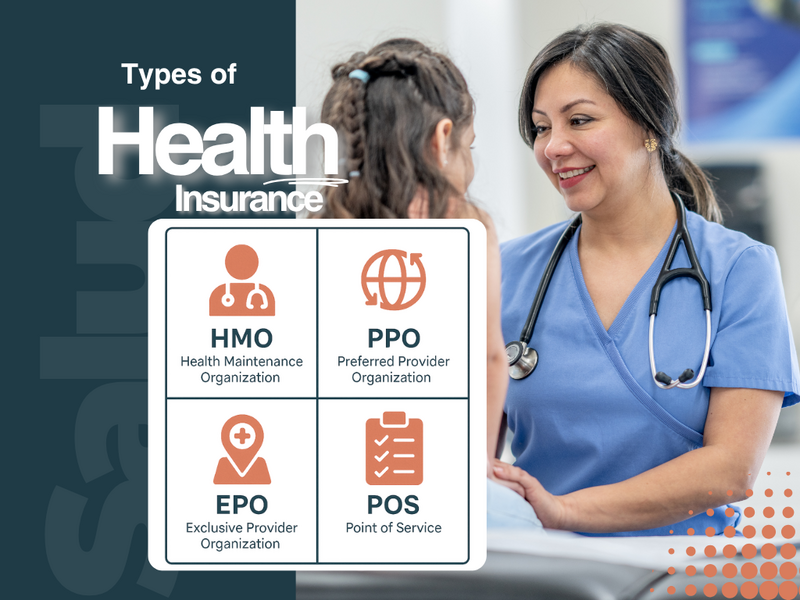
• HMO (Health Maintenance Organization): Requires you to use in-network doctors and get referrals to see specialists.
• PPO (Preferred Provider Organization): Gives more flexibility to see out-of-network providers, but at a higher cost.
• EPO (Exclusive Provider Organization): Similar to HMO, but without referrals for specialists.
• POS (Point of Service): A mix of HMO and PPO, requiring referrals but offering some out-of-network coverage.
All plans provide essential health benefits like doctor visits, prescriptions, and emergency care. If you need help choosing the right plan for your healthcare needs, our agents are here to guide you. Let us help you find the best fit for you and your family.
Don’t worry, we can assist you in updating your information to ensure you’re receiving the right amount of help. Contact us today, and we’ll help you navigate these changes smoothly.
This includes many individuals in immigration proceedings, such as those who have:
• A pending application for adjustment of status (green card)
• A pending asylum application
• TPS, humanitarian visas, and more
Do not hesitate to ask for advice. At Insurella, we understand how important it is to protect your health while navigating your immigration process. Our licensed agents will explain your eligibility and walk you through the steps to help you access the medical coverage you need from the moment you arrive in the U.S.
If you’re unsure whether your current coverage affects your eligibility, we’re happy to help. Our team can help you navigate these options and make sure you’re always covered.
If you’re facing this gap, don’t worry. Contact us, and we’ll help you explore your options and find the best possible coverage for your situation.
We’re ready to assist you, and our bilingual agents are here to guide you every step of the way. Just reach out to us, and we’ll walk you through the entire application.
If you have concerns about coverage or need help finding a plan that suits your needs, contact us today. We’ll make sure you get the coverage you deserve.
If you miss Open Enrollment and aren’t sure if you qualify for an SEP, don’t hesitate to ask for help. Our team can guide you through this process and help you secure the coverage you need.
If dental or vision care is important to you, let us help you find the right coverage. We can help you explore your options and add the extra coverage you need.
- What is the Affordable Care Act (ACA)?
- Key Benefits of Obamacare (ACA)
- Who Qualifies for ACA Health Plans?
- How Income and Family Size Affect Eligibility
- What is the Marketplace and How Do I Use It?
- How Do Tax Credits (Subsidies) Work?
- Enrollment Periods and Deadlines
- What Florida Residents Should Know
- FAQs